




Nickel Titanium Alloys (NiTi): The Most Resistant Endodontic Files to Bending Stresses
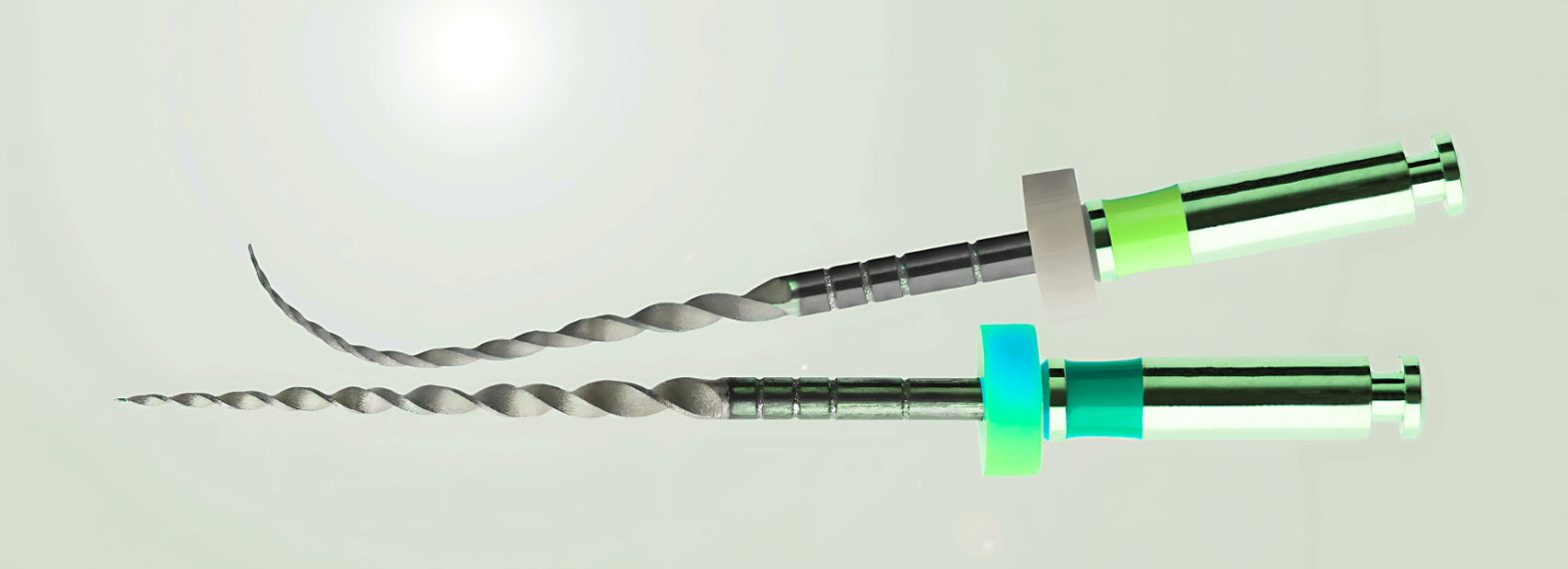
Nickel Titanium Alloys (NiTi): The Most Resistant Endodontic Files to Bending Stresses
Endodontics has come a long way from rigid stainless steel files to highly flexible rotary systems. One breakthrough that truly revolutionized root canal treatment is the Nickel Titanium alloy (NiTi)—the material behind modern rotary and reciprocating endodontic files.
But what makes NiTi files so special? And why are they the most resistant to bending stresses? Let’s break it down.
What Is NiTi and Why Is It Used in Endodontics?
Nickel Titanium (NiTi) is a metal alloy made of roughly 56% nickel and 44% titanium, known for two extraordinary properties:
- Shape Memory: The ability to return to original shape after deformation.
- Superelasticity: The ability to endure large amounts of stress without permanent deformation.
These features make NiTi files ideal for navigating curved and narrow canals—safely and predictably.
Why Bending Resistance Matters in Root Canal Files
In root canals with sharp curvatures, conventional stainless steel files can:
- Straighten the canal, causing ledging or transportation
- Break under stress, leading to instrument separation
- Cause perforation, especially in curved roots
NiTi files, on the other hand, are flexible enough to follow the canal's natural anatomy—preserving tooth structure and minimizing procedural risks.
How NiTi Files Handle Bending Stresses
NiTi files can bend significantly without exceeding their elastic limit, thanks to the alloy’s:
- Lower modulus of elasticity compared to stainless steel
- Thermal treatment options (like M-Wire, Blue Wire, Gold Wire) that enhance flexibility and fatigue resistance
This results in:
- Reduced risk of instrument separation
- Better negotiation of curved canals
- Increased efficiency with rotary or reciprocating systems
Types of NiTi Files and Their Advancements
| File Type | Feature | Benefit |
|---|---|---|
| Conventional NiTi | Basic NiTi alloy | Flexibility > Stainless Steel |
| Heat-treated NiTi | M-Wire, Blue, Gold | Greater resistance to fatigue |
| Controlled memory (CM) | No shape memory at room temperature | Extremely flexible, pre-bendable |
| Reciprocating files | Back-and-forth motion | Less torsional stress |
Best Practices to Maximize File Longevity
Even the strongest files can fail if not used correctly. Here’s how to extend the life of your NiTi files:
- Use a glide path with small hand files before rotary instrumentation
- Don’t skip irrigation—it reduces friction and debris buildup
- Avoid excessive pressure during instrumentation
- Follow manufacturer’s usage limit (some files are single-use only)
- Use torque-controlled motors for consistent performance
Why Buy Your NiTi Files from Dentalness.in?
At Dentalness.in, we curate only the most reliable endodontic file systems trusted by Indian clinicians. Our collection includes:
- Heat-treated and CM files
- Rotary and reciprocating systems
- Affordable bulk packs for high-volume users
- Expert guidance on file sequence and motor settings
All with fast shipping and responsive support across India.